
By Oh Ship! Content Team, Oh Ship!
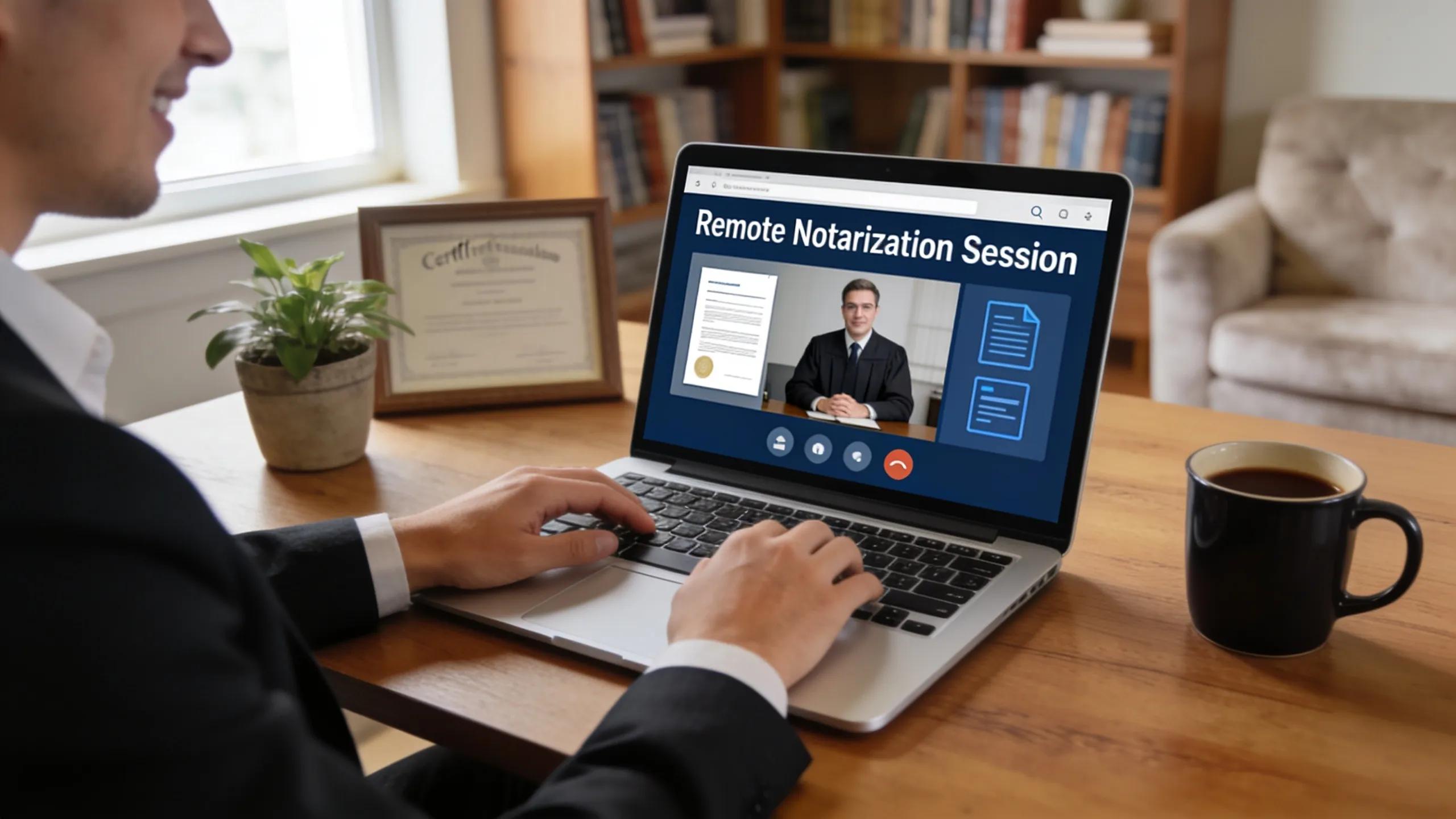
Remote online notarization (RON) and electronic notary services (E-Notary) are revolutionizing the notarial landscape in Florida by offering convenience, security, and compliance with legal standards. This article delves into the characteristics of RON and E-Notary services, exploring how they effectively operate under Florida law and their key benefits for individuals and businesses alike. Readers will learn about the legal requirements governing these services, the step-by-step processes involved in online notarization, and additional “complementary services” that enhance the overall notarization experience. With RON, traditional boundaries of notarization are redefined, providing more accessible and efficient solutions to meet modern demands.
What are Remote Online Notarization and Electronic Notary Services in Florida?
Remote Online Notarization (RON) allows notaries to perform notarizations online using audiovisual technology, while Electronic Notary Services (E-Notary) enable notarizations without the physical presence of the signer. These services provide a method for individuals to meet their notarization needs while maintaining legal standards set forth by the Florida Notary Law. The primary benefit is that they facilitate a seamless process for obtaining notarizations from virtually anywhere, enhancing convenience for busy customers.
How does Remote Online Notarization work under Florida law?
Under Florida law, Remote Online Notarization is conducted through secure audiovisual conferencing platforms. A notary public verifies the identity of the signer using specific technologies, such as identity verification software, and completes the notarization process, ensuring the legal validity of documents. The signature and seal can be applied electronically, and the entire transaction is recorded for future reference. This method maintains a level of security and compliance that traditional notarization methods sometimes lack.
What distinguishes electronic notary services from traditional notarization?
Unlike traditional notarization that requires the physical presence of a signer, electronic notary services utilize digital platforms to facilitate the notarization process. This distinction allows for greater flexibility and efficiency, as clients can manage their notarization needs from anywhere without scheduling in-person appointments. The combination of digital signatures and secure online sessions enhances reliability while offering significant time savings and reducing travel-related inconveniences.
What legal requirements and compliance standards apply to RON and E-Notary in Florida?
RON and E-Notary services in Florida must adhere to strict legal requirements outlined in state statutes. Notaries must register with the state to offer RON services, ensuring compliance with all regulations to protect the integrity of the process. Key compliance standards include maintaining a secure audiovisual connection, verifying the identity of signers, and having appropriate documentation in place before proceeding with notarizations.
Which Florida statutes govern Remote Online Notarization and E-Notary services?
The primary statute regulating RON services in Florida is Chapter 117 of the Florida Statutes, which provides the framework for electronic notarization and outlines specific requirements that must be followed by notaries. This ensures that both parties in the transaction are adequately protected and that legal standards are met.
What documentation and identity verification are mandatory for RON users?
To complete Remote Online Notarization, specific documentation and identity verification are required. Notaries must collect proper identification from the signer, which includes, but is not limited to:
Government-issued ID: Such as a driver’s license or passport.
Proof of residence: This may include utility bills or bank statements.
Additional verification methods: Utilizing knowledge-based authentication or biometric recognition technologies.
These procedures help to ensure that the individual is who they claim to be, thus maintaining the notarization’s legality and security.
How can customers complete a step-by-step Remote Online Notarization process in Florida?
The process of Remote Online Notarization involves several critical steps designed to ensure a smooth and secure experience for the user.
Initiation: Clients begin by selecting a notary service and scheduling an online appointment.
Verification: The notary verifies the identity of the client using appropriate documentation and technology.
Notarization: The client and notary connect via an audiovisual platform to complete the notarization process.
Finalization: Upon successful notarization, the document is electronically signed, sealed, and delivered to the client.
These steps reflect a streamlined process that accommodates modern technological advancements while ensuring compliance with legal requirements.
What are the essential steps to initiate and finalize an online notarization?
To initiate and finalize an online notarization, clients should follow these essential steps:
Choose a compliant RON service: Research and select a reputable provider that meets Florida’s legal standards.
Prepare all necessary documents: Have valid identification and relevant documents ready for the session.
Schedule your session: Set up an appointment at a convenient time for both the client and the notary.
Connect through a secure platform: Join the session, allowing the notary to verify your identity and perform the notarization.
By adhering to these steps, the client can ensure a smooth and efficient notarization experience.
Which technologies ensure security and authenticity during the RON process?

Security and authenticity in Remote Online Notarization processes are maintained through various technologies, including:
Encryption tools: Safeguard data transmission between the client and notary.
Identity protection methods: Utilize biometric technology and knowledge-based authentication to confirm a signer’s identity.
Audit trails: Generate comprehensive records of all RON transactions, providing transparency and accountability throughout the process.
These technologies work collaboratively to protect sensitive information while enhancing the overall credibility of the notarization.
What complementary services support Remote Online Notarization in Florida?
In addition to RON, several complementary services contribute to a well-rounded notarization experience in Florida. These services can aid businesses and individuals by streamlining various aspects of documentation processing.
How do mailbox rentals enhance business convenience alongside notarization?
Mailbox rental services provide businesses with secure mailing options while they manage their notarization processes. Professionals often choose “mailbox rentals” to establish a credible business presence alongside their document handling needs. Enhancements include:
Professional image: Establishing a commercial address can enhance branding.
Secure mail handling: Protects sensitive documents and packages.
Convenience: Streamlined communication and delivery reduce logistical challenges.
These services prove particularly beneficial in complementing notarization needs, particularly for businesses seeking efficiency.
What printing and in-store support options are available for notarization clients?
In-store support services accompany Remote Online Notarization and can include:
Document printing: Professional printing services ensure that notarized documents are of high quality.
Office supplies: Availability of supplies necessary for document preparation.
Consultative support: On-site assistance can help clients navigate their notarization and documentation needs more effectively.
For those requiring extra assistance, additional “in-store support” options are available to ensure your documentation is prepared to the highest standard.